Crete is an island of scale and variety, where landscapes shift dramatically within short distances. Snow-dusted mountains, fertile valleys, rugged gorges, and long coastlines coexist in a way that feels almost continental. Travelling across the island reveals constant contrast-quiet villages give way to open plains, while winding roads suddenly meet the sea. Crete invites travellers to move slowly, observing how geography shapes daily life.
For those planning their visit, Crete holidays offer a useful framework for understanding the island’s breadth, from inland regions to coastal towns. In a separate sense, all-inclusive holiday packages can simplify logistics, making it easier to focus on exploring Crete’s diverse natural settings without constant planning.
Crete holidays is a well-paced experience that allows time to appreciate both mountain and sea without rushing between them. With practical planning and route considerations, travel partners such as Travelodeal can help in managing distances and timing, helping the island’s contrasts feel harmonious rather than overwhelming.
The Mountains That Shape the Island
Crete’s mountains are not a backdrop; they are central to the island’s identity. Ranges such as the White Mountains and Mount Ida dominate the interior, influencing climate, agriculture, and settlement patterns. Villages here feel deeply rooted, with stone houses, terraced fields, and traditions shaped by isolation and altitude. Walking through mountain paths or driving along high passes reveals sweeping views and a sense of scale that anchors the island’s character.
Gorges and Landscapes in Between
Between mountains and sea lie some of Crete’s most striking natural features. Gorges carve deep lines through the terrain, offering routes that feel both dramatic and meditative. These landscapes create natural corridors, where flora changes subtly and light shifts throughout the day. Moving through them provides insight into how nature dictates movement, encouraging pauses rather than constant progress.
The Coastline’s Quiet Power
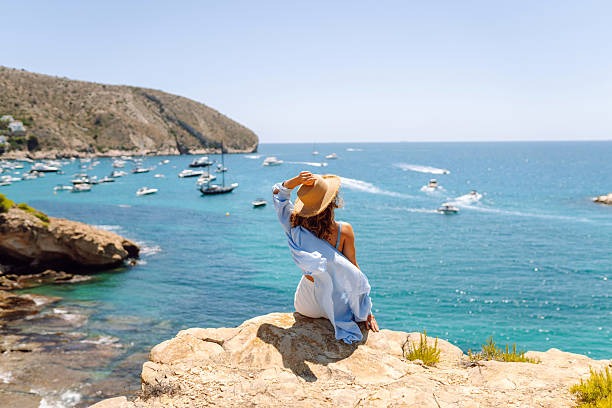
Crete’s coastline is extensive and varied. Some beaches are open and expansive, others are tucked into small coves framed by cliffs. The sea here is not uniform; colours change with depth, light, and wind. Coastal towns maintain a working rhythm, balancing tourism with fishing, farming, and everyday life. Time by the sea often feels restorative rather than stimulating, reinforcing the island’s natural equilibrium.
Food Born from Geography
Crete’s food culture reflects its landscapes. Mountain herbs, olive oil, grains, vegetables, and seafood come together in simple but deeply rooted dishes. Meals are shaped by availability rather than trend, encouraging seasonal eating and long, unhurried dining. Whether inland or coastal, food becomes a bridge between terrain and tradition, grounding travellers in the island’s natural logic.
Moving Through Crete
Distances in Crete encourage intentional travel. Roads wind through changing scenery, making the journey as meaningful as the destination. Travellers who allow time for these transitions experience the island more fully, noticing how terrain shifts influence architecture, accents, and routines. Movement becomes a way of understanding, not merely reaching.
Contrasts of Crete
Crete’s power lies in its contrasts, but also in how seamlessly they coexist. Mountains do not overshadow the sea, nor does the coastline diminish the interior. Instead, each landscape informs the other, creating a rhythm that feels complete. A morning in a quiet mountain village can give way to an afternoon by the water, and neither feels like an interruption. The transitions are gentle, almost intuitive, as though the island itself is guiding the pace.
Reflection: An Island of Balance
Travellers who follow this natural flow-allowing time, space, and curiosity-leave with a deeper sense of how place shapes experience. You begin to understand Crete not as a collection of sights, but as a living balance of terrain, tradition, and daily life. Crete is not an island to rush; it is one to move through thoughtfully, letting its natural contrasts reveal their quiet harmony and leaving you with a feeling that is less about what you saw and more about how you lived while you were there.