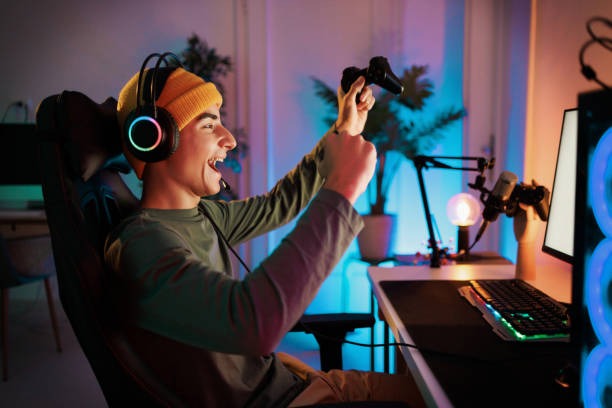
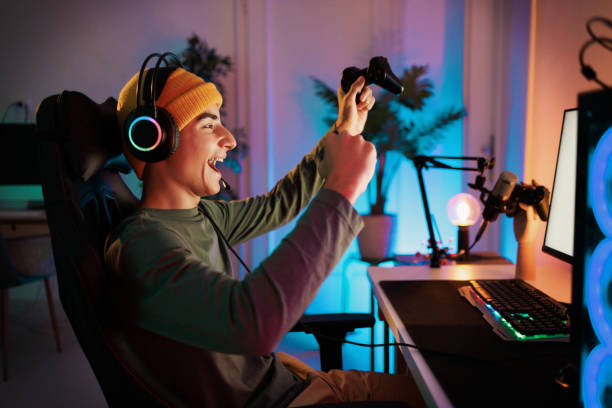
The rapid advancement of technology and the widespread availability of high-speed internet have significantly transformed entertainment, especially among young people. One of the most notable developments in recent years is the rise of online live game culture. This phenomenon encompasses not only playing games but also watching live streams, participating in interactive communities, and engaging with content creators. The influence of this culture on youth is profound and multifaceted, affecting social behavior, cognitive skills, and even lifestyle choices.
Online live gaming platforms such as Twitch, YouTube Gaming, and Facebook Gaming have created a new form of social interaction that transcends geographical boundaries. Youth today are no longer passive consumers; they actively engage with streamers through chat functions, participate in virtual events, and collaborate with peers during multiplayer games. This interactive environment fosters a sense of community where young individuals can share interests, develop friendships, and gain social validation. For many adolescents who might feel isolated or shy in real life, these platforms offer an accessible space to express themselves.
Moreover, online live game culture has contributed to enhancing various cognitive abilities among youth. Strategic thinking, problem-solving skills, quick decision-making under pressure, hand-eye coordination, and multitasking are often honed through regular gameplay. Watching skilled nagoya368 players demonstrate advanced techniques can inspire viewers to improve their own abilities by learning new strategies or understanding complex game mechanics more deeply.
However, the influence is not without its drawbacks. Excessive immersion in online gaming environments may lead to issues such as reduced physical activity or disrupted sleep patterns due to irregular hours spent streaming or playing late into the night. Additionally, exposure to toxic behavior within some gaming communities-including harassment or aggressive language-can negatively impact mental health if not properly managed by moderators or parental guidance.
Furthermore, there is growing concern about how monetization models tied to live streaming-such as donations and sponsorships-might affect young gamers’ perceptions of success and self-worth based primarily on external validation rather than intrinsic motivation or balanced achievements across other areas like academics or sports.
In conclusion (though no heading), online live game culture wields considerable influence over today’s youth by shaping their social interactions and cognitive development while presenting challenges related to health habits and psychological well-being. As this cultural shift continues evolving rapidly alongside technological innovations,it becomes increasingly important for parents educators,and policymakers aliketo understand both benefitsand risksin ordertopromotehealthyengagementwiththisdynamicdigital landscape.This balance will help ensure thatonlinegamingremainsapositiveforceinyoungpeople’slivesratherthanadetrimentalone.